Who Really Benefits from Night-Time Epilepsy Monitors?
What parents and carers told us about seizure alarms for children with epilepsy
Presented at the British Paediatric Neurology Association Conference
Dr Ram Kumar & Dr Laura Jones
January 2026
For parents of children with epilepsy, night-time can be the most anxiety-provoking part of the day. Our latest survey explored whether seizure alarms genuinely improve safety and reassurance and found that the answer depends strongly on the child’s clinical risk.
The problem families face at night
Night-time seizures, particularly tonic–clonic seizures, create significant worry for families.
“Will I know if my child is having a seizure while asleep?”
Epilepsy monitors are increasingly used to provide reassurance, improve detection, and support rapid responses. However, these devices can also create burden through false alarms, poor usability, and cost.
Families of higher-risk children value monitors most
The higher the seizure risk, the greater the perceived value of monitoring technology
High-risk families reported the greatest reassurance and safety benefits, even when devices produced frequent false alarms.
Key results at a glance

32 Families surveyed
37.5% Current Users
31.3% Considering Adoption
69% Nocturnal Seizures
81% Tonic-clonic seizures
What devices are families using?
Video Monitors (58%) - most commonly used
Wearable Devices (35%)
Bed or mattress sensors (19%)
Oxygen monitors (12%)
Participant demographics and clinical features
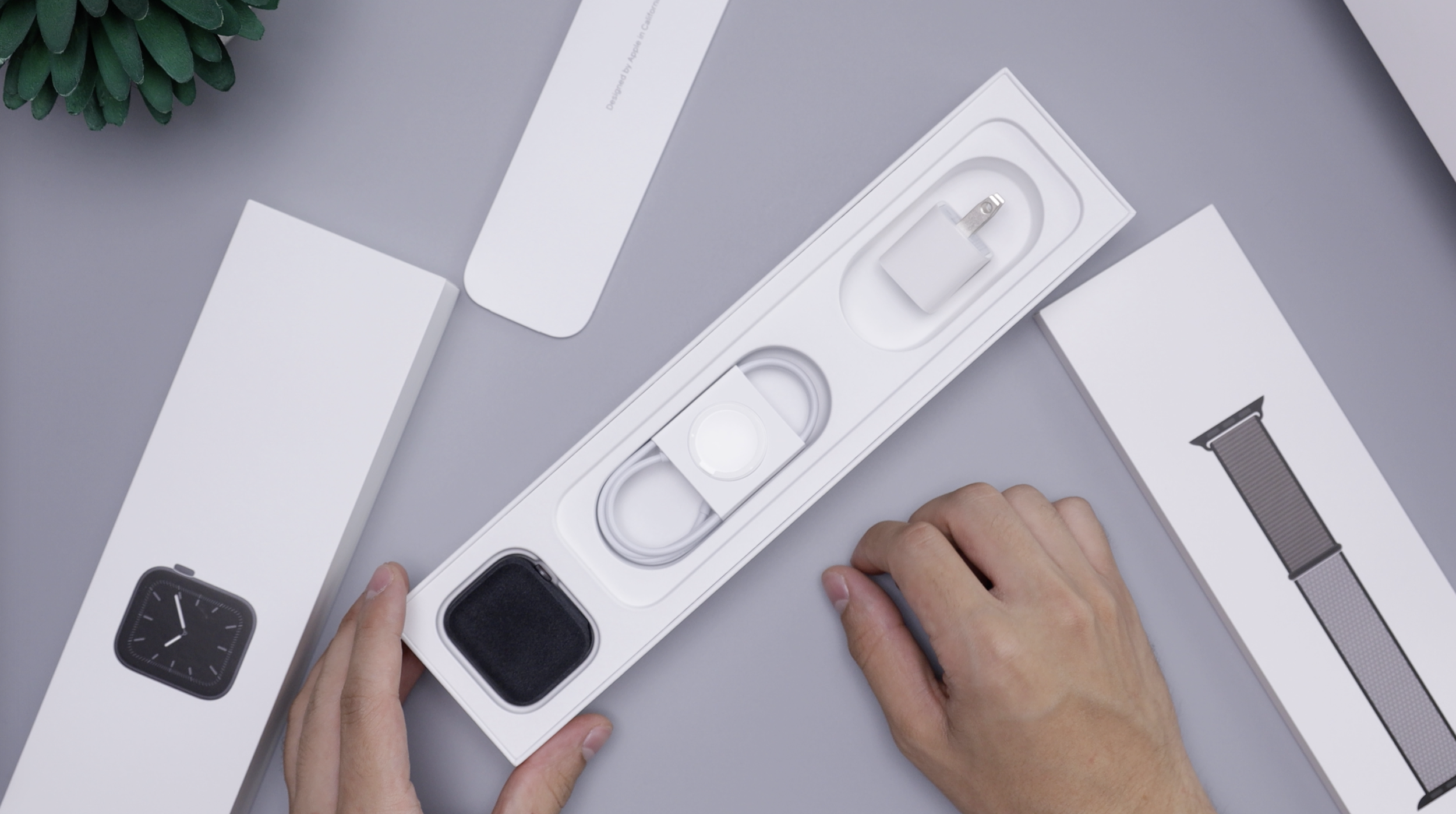
Benefit versus burden
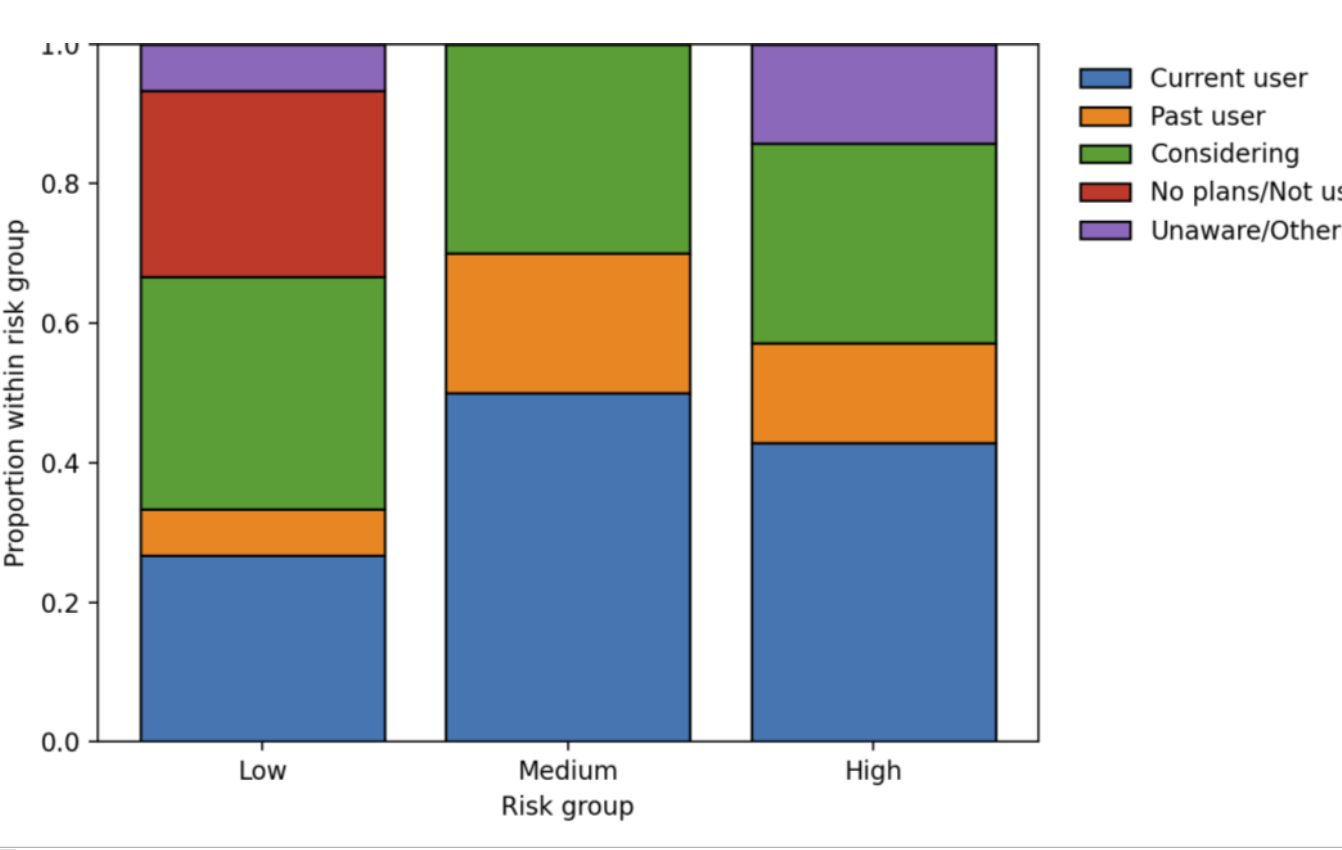
Graph 1. Adoption of epilepsy monitors rises markedly with increasing clinical risk
In lower risk groups, burden often outweighed benefit. In contrast, medium and high risk families consistently felt the reassurance benefit justifies the limitations
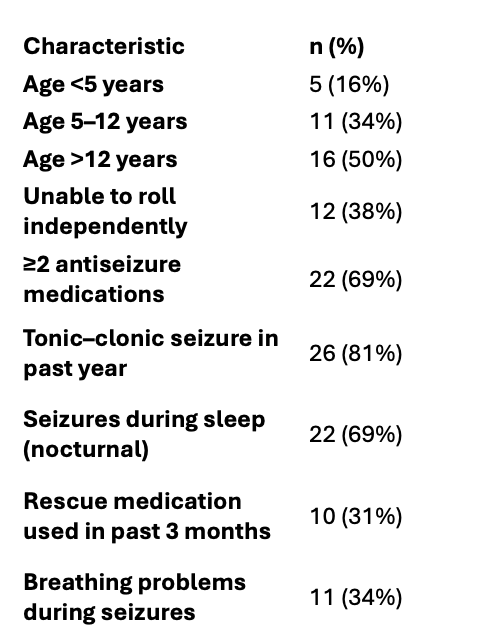
Participant characteristics

Characteristic n (%)
Age <5 years 5 (16%)
Age 5–12 years 11 (34%)
Age >12 years 16 (50%)
Unable to roll independently 12 (38%)
≥2 anti-seizure medications 22 (69%)
Tonic–clonic seizure in past year 26 (81%)
Seizures during sleep 22 (69%)
Graph 2. Benefit v Burden of epilepsy monitors across the risk groups
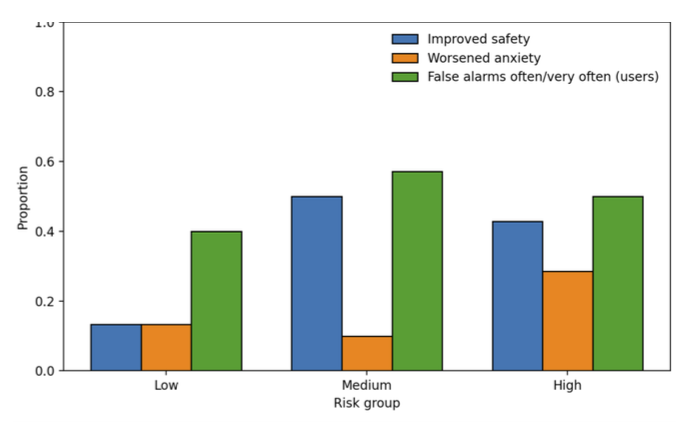
Graph 3. Epilepsy monitor net sentiment in key domains by clinical risk group
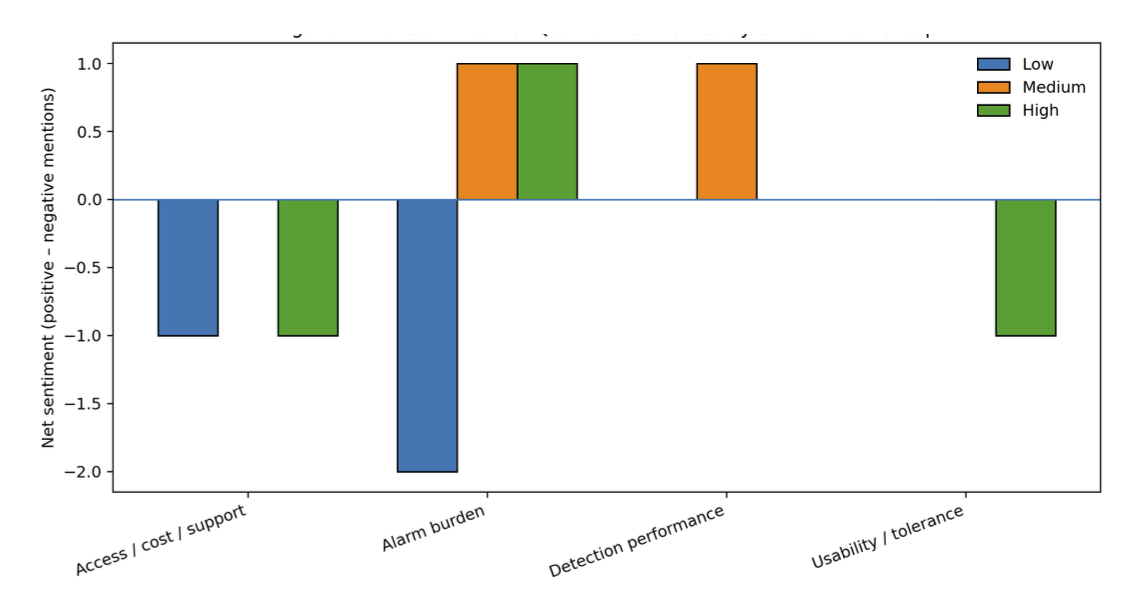
In lower-risk groups, burden often outweighed benefit. In contrast, medium- and high-risk families consistently felt the reassurance benefit justified current device limitations.
“Not Necessary”
“Helps but stressful”
“Reassurance despite flaws”
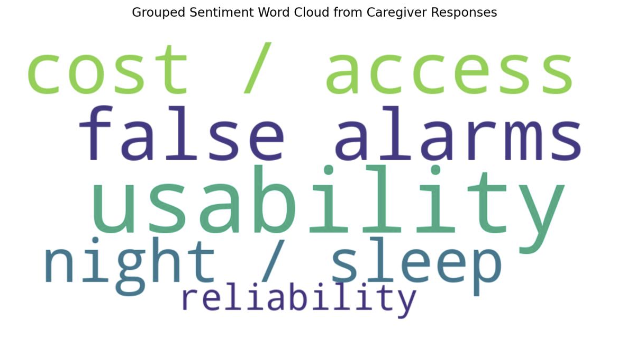
Figure 4. Phrase cloud of qualitative responses
What this means for clinical practice
Alarm recommendations should be risk-stratified rather than one size fits all
Families of children with nocturnal tonic–clonic seizures and higher SUDEP-related risk factors appear to gain the greatest reassurance and safety benefit.

The methods
Comparison of qualitative responses on benefits or burden of epilepsy monitors across clinical risk groups demographics